






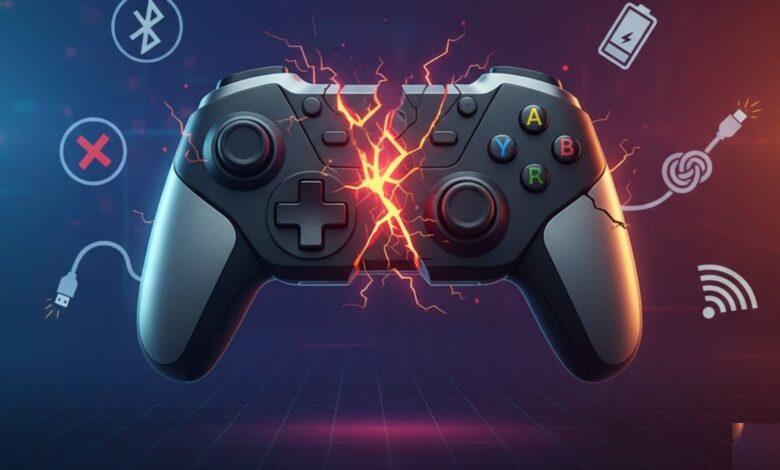
If you own an HSSGamepad, chances are you’ve experienced frustrating moments where your controller stops responding or refuses to connect. These connectivity issues HSSGamepad are common, even among gamers who are careful with their equipment. Whether it’s a fast-paced shooter, a racing game, or a relaxing adventure, an unreliable connection can completely ruin the experience. Connectivity problems can appear in multiple ways. Sometimes, the controller won’t pair with your PC, mobile, or console. Other times, it pairs but disconnects randomly mid-game. Input lag, where button presses or joystick movements are delayed, is another common symptom. Some users even notice unresponsive buttons or erratic behavior, making gameplay frustrating.
Understanding the reasons behind these issues is the first step toward fixing them. Most problems are not due to a broken controller. Instead, they are usually caused by power problems, wireless interference, outdated software, or hardware issues. By identifying the root cause, you can resolve these problems quickly and enjoy uninterrupted gaming. Case Study: One gamer reported that their HSSGamepad disconnected every few minutes while playing a shooter on a Windows PC. After testing, they discovered the issue was an outdated Bluetooth driver. Updating the driver fixed the problem, showing how connectivity issues are often solvable with proper troubleshooting.
What Causes Connectivity Issues HSSGamepad
Connectivity problems generally fall into four main categories: power and battery issues, wireless interference, software and driver problems, and hardware glitches.
Battery and Power Problems
Wireless HSSGamepads depend on rechargeable batteries. A low or dying battery can cause the controller to disconnect, behave erratically, or fail to pair entirely. Even in wired mode, some USB ports may not provide sufficient power, especially on older laptops or cheap USB hubs, leading to unstable connections. Always ensure your controller is fully charged and plugged into a reliable USB port.
Wireless Interference and Range
Bluetooth connections are sensitive to distance and environmental interference. Walls, metal objects, Wi-Fi routers, or other wireless devices can weaken the signal and disrupt pairing. For example, one gamer experienced input lag when the controller was two rooms away from the PC. Moving closer resolved the issue immediately. Keeping your HSSGamepad within 3–5 meters of your device usually ensures stable performance.
Software and Driver Issues
Outdated firmware on the controller or old drivers on your device are common causes of connectivity issues. PCs, smartphones, and consoles frequently update their operating systems, and if your HSSGamepad firmware is outdated, it may fail to pair or disconnect mid-session. Conflicting controller-mapping software can also interfere, leading to input lag or unresponsive buttons.
Hardware Glitches
Physical problems with the controller or cables can prevent proper connection. Worn-out USB cables, loose USB ports, or internal hardware damage may cause frequent disconnections, input lag, or unresponsive buttons. Testing your HSSGamepad on multiple devices helps identify whether the issue lies with the controller or the device.
Common Causes Table
| Cause | Symptoms | Quick Fix |
|---|---|---|
| Low battery / poor power | Random disconnects, unresponsive buttons | Fully charge or use a reliable USB port |
| Wireless interference | Lag, delayed inputs, sudden disconnections | Move closer, reduce other wireless devices |
| Outdated firmware / drivers | Won’t pair, input lag | Update controller firmware & device drivers |
| Hardware damage | Controller not recognized, persistent failures | Check cables, test other ports, consider replacement |
Quote:
“Most connectivity issues aren’t because your controller is broken — they are small, fixable problems that just need careful troubleshooting.” — GamingTech Insights
How to Diagnose HSSGamepad Connectivity Problems
Before attempting fixes, it’s important to identify the root cause of the problem. Here’s a step-by-step approach:
- Check the battery or power — Ensure the controller is fully charged. If using USB, try a different port.
- Test wired and wireless modes — If wired works but Bluetooth doesn’t, the issue is likely wireless-related.
- Try multiple devices — Connect the HSSGamepad to another PC, phone, or console. If the problem persists, the controller may have a hardware issue.
- Inspect cables and ports — Look for visible damage, loose connections, or frayed wires.
- Update firmware and drivers — Ensure the controller firmware and device drivers are up-to-date.
- Check for software conflicts — Temporarily uninstall other controller-mapping software or Bluetooth utilities.
- Adjust input mode — Make sure the controller is set to the correct input mode (D-Input vs X-Input) based on your device or game requirements.
Step-by-Step Fixes for Connectivity Issues HSSGamepad
Quick Fixes
- Fully charge your controller or ensure USB power is sufficient.
- Restart both the controller and the host device to clear temporary glitches.
- Re-pair the controller after removing old pairings from your device.
- Use a reliable USB cable and port for wired connections; avoid cheap hubs.
Firmware and Driver Maintenance
- Update your HSSGamepad firmware if an update is available.
- Update Bluetooth and USB drivers on your device.
- Remove or disable conflicting controller-mapping apps.
- Verify correct input mode based on your device or game.
Optimizing Wireless Connection
- Keep the controller within a short distance from your device (3–5 meters).
- Reduce interference from other wireless devices.
- Consider an external Bluetooth dongle for a stronger, more stable connection.
Hardware Checks
- Inspect cables and connectors for wear or damage; replace if necessary.
- Perform a factory reset on the controller if available.
- If problems persist on multiple devices, contact support or consider replacement.
Platform-Specific Tips
Windows PC
- Check Device Manager to ensure the controller is recognized.
- Plug directly into main USB ports for better power.
- Use an external Bluetooth adapter if internal Bluetooth is weak.
Android / Mobile Devices
- Clear Bluetooth cache and remove old pairings before re-pairing.
- Update the device OS for compatibility.
- Consider a wired OTG connection if Bluetooth continues to fail.
Consoles
- Check if the console supports third-party controllers like HSSGamepad.
- Prefer wired connections for stability.
- Follow proper pairing/reset procedures for wireless mode.
Preventive Practices for Stable Connectivity
- Keep the controller charged and maintain USB connections carefully.
- Regularly update firmware and device drivers.
- Avoid cheap cables and USB hubs; treat connectors gently.
- Maintain a clean, low-interference environment.
- Periodically test the controller on other devices to ensure proper functionality.
When to Replace or Seek Support
- If the controller fails on multiple devices even after troubleshooting, it may be a hardware problem.
- Contact the manufacturer for warranty support or repair options.
- Consider upgrading to a more reliable controller if you frequently play competitive games.
FAQ — Common Questions About HSSGamepad Connectivity
Q: Why won’t my HSSGamepad pair with my PC?
A: It’s often caused by outdated drivers, interference, or low battery. Updating drivers and re-pairing usually solves the issue.
Q: My controller disconnects mid-game. What can I do?
A: Check battery level, reduce wireless interference, and test different ports if using USB.
Q: I’m experiencing input lag. How can I fix it?
A: Ensure firmware and drivers are updated, reduce interference, and consider using wired mode.
Q: Wired mode works but Bluetooth doesn’t. Why?
A: Likely due to weak Bluetooth signal, interference, or outdated drivers.
Q: Firmware update didn’t help. What next?
A: Inspect cables and ports, test on another device, and contact support if the issue persists.
Conclusion
Connectivity issues HSSGamepad are common but usually solvable. Most problems arise from power, interference, outdated firmware, or hardware glitches, not permanent damage. By systematically diagnosing the problem, applying fixes, and following preventive practices, you can enjoy stable, lag-free gaming on your HSSGamepad. Regular maintenance, proper setup, and awareness of platform-specific considerations ensure your controller performs reliably every time.
Read More: Drivingmadio Do a Barrel Roll 2 Times