






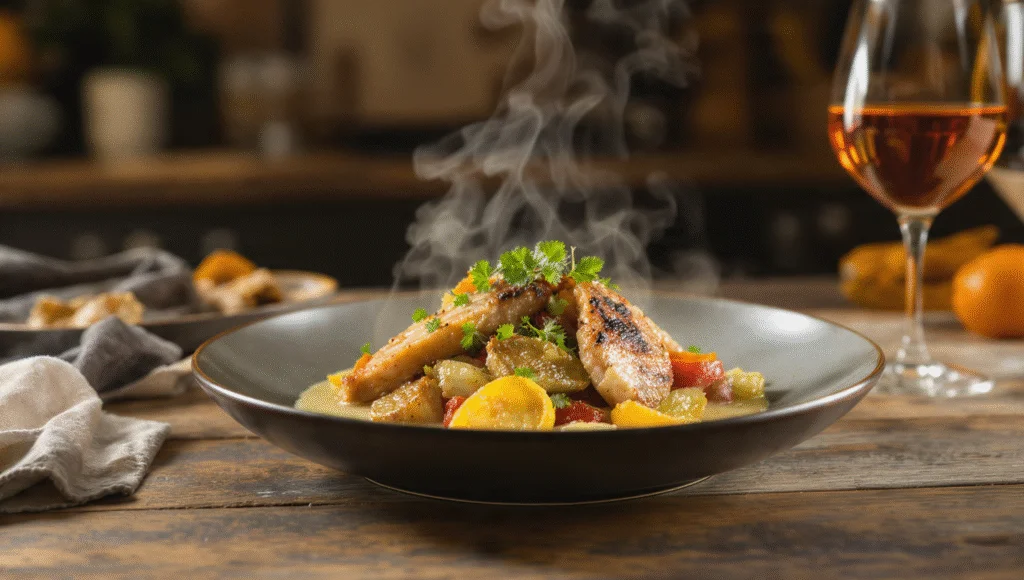
Fojatosgarto is a hearty and flavorful dish that has become a staple in many rustic kitchens. This dish, often associated with Eastern European cooking, has roots in home-cooked meals designed to nourish and comfort. At its core, fojatosgarto is a slow-cooked dish made with tender meat, often pork, and a medley of vegetables like onions, peppers, and tomatoes, simmered in a rich broth and seasoned with paprika. The ingredients blend together to create a comforting, earthy flavor profile that’s both satisfying and warming.
The origins of fojatosgarto are linked to family cooking traditions where the emphasis is on slow cooking and layering flavors over time. It is the kind of dish that requires patience, but the rewards are well worth it. Though it may seem intimidating to some, fojatosgarto is relatively simple in its execution once you understand the basic principles behind it.
Common Ingredients in Fojatosgarto & Their Role
Core Ingredients
The key ingredients in fojatosgarto create a delicious base for the dish. Pork is the traditional protein used in this dish. Pork shoulder or belly is typically chosen due to its ability to stay moist and tender during the long cooking process. For those who prefer other meats, chicken or beef can also be substituted. Vegetables play a crucial role in providing flavor depth. Onions, garlic, and bell peppers are the foundation of the aromatic base that brings the dish to life. These vegetables are sautéed first to release their natural sweetness and depth of flavor.
Spices are the heart and soul of fojatosgarto. The most important spice is paprika, typically Hungarian or sweet paprika. This spice gives the dish its signature color and warmth. Additionally, salt, pepper, and sometimes bay leaves are used to enhance the flavors. Finally, a liquid component is essential for creating a stew-like consistency. Tomato paste or fresh tomatoes are used, often combined with water or broth to achieve the right balance of flavor and texture.
Optional or Variant Ingredients
Fojatosgarto can be customized with additional vegetables, depending on personal preferences. Carrots, mushrooms, and zucchini are popular additions, bringing freshness and variety to the dish. For a meatless version, tofu or extra vegetables can be used to replace the pork, making it suitable for vegetarians. Herbs such as thyme, rosemary, and bay leaves are sometimes added to enhance the aromatic qualities of the dish. These optional ingredients allow for flexibility and can be tailored to your taste.
Why Ingredients Influence Cooking Difficulty
The difficulty of cooking fojatosgarto often depends on how well you handle the ingredients. Properly browning the meat and managing the spices are two critical steps. Overcooking the paprika can result in a bitter flavor, while undercooking the meat can lead to a tough and chewy texture. Thus, it’s essential to understand the role each ingredient plays and how they interact during cooking.
What Makes Fojatosgarto Hard (or Easy) to Cook
Factors That May Make It Feel Difficult
Fojatosgarto requires patience and time, which may make it seem daunting, especially for those with busy schedules. The dish needs to be cooked slowly, often for hours, to allow the flavors to meld together and the meat to become tender. This slow-cooking process can be intimidating for beginner cooks. Additionally, the recipe involves multiple steps, including browning the meat, sautéing the vegetables, and simmering everything together for hours. This layered approach means that you need to be attentive at each stage to ensure everything cooks properly.
Factors That Make It Manageable / Beginner-Friendly
Despite its perceived complexity, fojatosgarto is quite manageable for most home cooks. The steps are simple and do not require advanced techniques. Chopping, sautéing, and simmering are all basic cooking skills that most people can easily handle. Additionally, the dish is quite forgiving — it’s hard to go wrong as long as you keep the heat low and let the dish cook slowly. The main challenge lies in the time commitment rather than the skill level. With proper planning, even a beginner can make this dish and achieve excellent results. The beauty of fojatosgarto is its flexibility, allowing you to adjust ingredients based on availability and taste preferences.
What’s the Typical Cooking Process of Fojatosgarto?
The process of making fojatosgarto is straightforward but does require some time and attention to detail.
- Preparation: Begin by chopping the vegetables and cutting the meat into cubes. Measure out the spices and broth to have everything ready before you start cooking.
- Browning the Meat: Heat some oil in a large pot and brown the meat in batches. This step is crucial for building flavor, as browning the meat creates a caramelized crust that adds richness to the stew.
- Sautéing the Vegetables: In the same pot, sauté onions, garlic, and bell peppers until softened. This forms the aromatic base for the dish, and it’s important to cook them thoroughly to bring out their sweetness.
- Adding the Spices and Liquids: Once the vegetables are sautéed, add the paprika and any other spices you’re using. Then, pour in the tomato paste, broth, and water. Stir everything together and bring it to a simmer.
- Simmering: Reduce the heat to low and allow the dish to cook slowly for several hours. This slow simmering process tenderizes the meat and melds the flavors together. Be sure to check the dish occasionally to ensure it doesn’t dry out or burn. Add more broth or water if necessary.
- Finishing Touches: After the cooking time has passed, taste the dish and adjust the seasoning. Add any final herbs or garnishes before serving.
Common Mistakes or Challenges — What Can Go Wrong
While fojatosgarto is generally forgiving, there are a few common mistakes that can affect the final result.
- Skipping the Browning Step: Failing to properly brown the meat can result in a less flavorful dish. This step is crucial for building the deep, rich flavors that make fojatosgarto so delicious.
- Burning the Spices: Paprika can burn quickly if the heat is too high. When cooking with spices, it’s important to monitor the heat and stir frequently to avoid burning.
- Adding Too Much Liquid: If you add too much broth or water, the dish can become too soupy and lose its hearty stew-like consistency. It’s better to add liquid gradually and adjust as needed.
- Overcooking the Meat or Vegetables: Overcooked meat can become dry and tough, while overcooked vegetables can turn mushy. Keep an eye on the cooking times for both.
Tips to Make Cooking Fojatosgarto Easier and Foolproof
To make fojatosgarto easier and more foolproof, consider these tips:
- Use Fresh, High-Quality Ingredients: The better the quality of your meat and vegetables, the better the final dish will be.
- Organize Your Ingredients: Prepare everything before you start cooking to ensure the process goes smoothly.
- Don’t Rush the Cooking Process: Allow the dish to simmer slowly. Rushing the process can result in uneven cooking and underdeveloped flavors.
- Taste and Adjust Seasoning: Always taste your dish before serving and make any necessary adjustments to the seasoning.
Variations of Fojatosgarto — Customizing the Dish to Your Preference
Fojatosgarto is a versatile dish that can be customized based on your personal preferences or dietary needs. For a lighter version, you can substitute the pork with chicken or tofu. Adding different vegetables, such as mushrooms or carrots, can also change the dish’s flavor profile. If you prefer a spicier dish, consider adding hot peppers or chili flakes to the mix.
Conclusion
fojatosgarto is not particularly hard to cook, but it does require time, patience, and attention to detail. The steps involved are straightforward, and most home cooks can master the dish with some practice. The slow cooking process might seem challenging at first, but the result is a rich, flavorful dish that is well worth the effort. If you’re someone who enjoys slow-cooked meals and is willing to invest a bit of time, fojatosgarto is definitely worth trying!
Read More: Mimikatz-Centric Timeline Snippet