






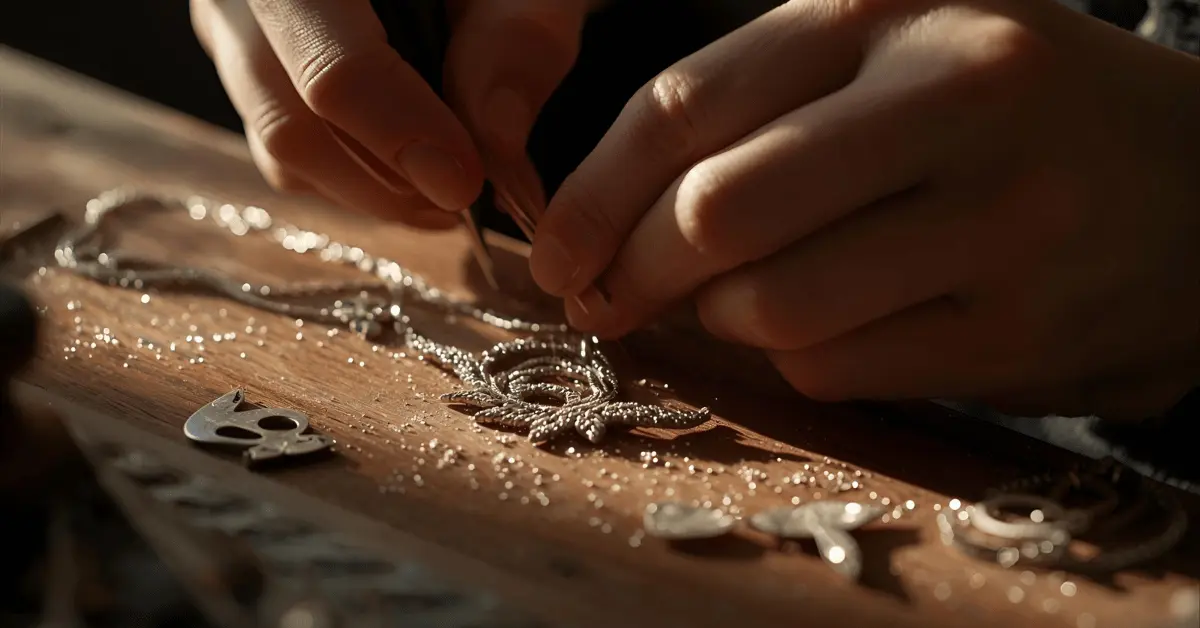
Tsunaihaiya is a name that has begun to surface in artisan and handmade jewelry conversations, admired by people who value craftsmanship, unique design, and thoughtful storytelling. For those discovering the term for the first time, Tsunaihaiya represents more than a product label — it signals a blend of tradition, handcrafted technique, and individual expression. This article explores what Tsunaihaiya is, how pieces are crafted, and why collectors and style-conscious buyers are taking notice.
What is Tsunaihaiya?
At its core, Tsunaihaiya refers to artisan-made jewelry and accessories associated with small-scale makers and independent designers. The name is used by creators who emphasize handmade processes, intentional materials, and limited production runs. Rather than a mass-market brand, Tsunaihaiya evokes boutique craftsmanship: each piece is presented as a thoughtful object with its own identity and story. For readers who seek authenticity and meaning in their purchases, Tsunaihaiya becomes a keyword for discovery.
Origin and inspiration
The creative roots behind Tsunaihaiya vary between makers. Some artisans draw on local metalworking traditions, others on natural motifs and found textures, and a few blend cultural references into contemporary forms. This mixture of influences is part of the appeal: Tsunaihaiya pieces often feel like wearable stories, carrying visible marks of tools, hands, and design choices. When researching or shopping, looking at how a maker describes their method will reveal whether their Tsunaihaiya pieces are rooted in historical technique or modern reinterpretation.
Materials and craftsmanship
Quality materials and careful hand-finishing define many Tsunaihaiya items. Common elements include sterling silver, brass, natural stones, and woven textiles, chosen for durability and tactile character. Makers who label their work Tsunaihaiya tend to highlight processes such as hand-hammering, patina application, soldering by torch, and careful bead setting. Those details matter: a well-made Tsunaihaiya bracelet or pendant is meant to age gracefully, develop a personal patina, and remain repairable — all signs of genuine artisan commitment rather than disposable fashion.
Design aesthetics and collections
A Tsunaihaiya collection often balances minimalism with artisanal texture. You might find slender bangles with uneven edges, necklaces that center a single raw stone, or mixed-metal earrings that play with positive and negative space. Designers frequently release small collections around a clear idea—seasonal color, an emotional theme, or an experiment in form—so collectors can follow a maker’s evolving voice. The aesthetic tends to favor subtlety: Tsunaihaiya aims for pieces that complement daily life rather than shout for attention.
How to identify authentic Tsunaihaiya pieces
Authenticity comes down to transparency and traceability. Genuine Tsunaihaiya creators provide clear descriptions of materials, a sense of the making process, and often images of work-in-progress. Look for hallmarks or maker’s stamps on metal pieces, read materials lists carefully, and prefer sellers who welcome questions about sourcing. If a claimed Tsunaihaiya item is priced far below typical artisan rates or lacks basic production details, treat the listing with caution; true handmade work carries a cost that reflects labor and quality.
Where to buy and price expectations
Tsunaihaiya items typically appear on boutique shop pages, artisan marketplaces, and curated social profiles where makers sell direct to customers. Prices are set according to materials and labor: small silver rings might start modestly, while fully handmade necklaces or mixed-metal statement pieces reach higher price points. When budgeting, remember that Tsunaihaiya craftsmanship is an investment in longevity and uniqueness—repairability and timeless design are part of the value.
Styling and care tips
Tsunaihaiya pieces wear best when treated with everyday respect. Avoid aggressive chemicals, store pieces separately to prevent scratches, and use soft cloths for routine polishing. For styling, combine a single Tsunaihaiya statement piece with simpler companions so that craftsmanship remains the focal point. Layering thin handmade bangles or mixing a textured Tsunaihaiya pendant with minimalist chains offers a contemporary yet personal look.
Why Tsunaihaiya matters to modern buyers
In a market saturated with mass-produced goods, Tsunaihaiya signals intentional consumption. Buyers attracted to these pieces want items that tell a story, support independent makers, and offer longevity. Beyond aesthetics, Tsunaihaiya embodies a mindset: choose fewer items of higher quality, and prefer creators who show respect for materials and craft. That approach resonates with shoppers seeking deeper meaning from what they wear.
Conclusion
Tsunaihaiya is more than a name — it’s a marker for thoughtful, handmade jewelry that values technique, material, and narrative. For anyone building a collection or searching for a meaningful gift, Tsunaihaiya offers an entry point to artisan work that is personal, durable, and expressive. Keep an eye on maker notes and production details, and you’ll find pieces that feel made for you.
FAQs
What exactly is Tsunaihaiya?
Tsunaihaiya refers to artisan jewelry and accessories associated with independent makers who emphasize handmade processes and quality materials. It is a label often used to describe thoughtfully crafted pieces.
How can I tell if a Tsunaihaiya piece is authentic?
Look for detailed material descriptions, maker stamps or hallmarks, clear production notes, and seller transparency about sourcing and methods. Authentic items usually provide visible proof of handcraft.
Are Tsunaihaiya pieces expensive?
Prices vary by material and technique; while some small items are affordably priced, major mixed-metal or stone works reflect time-intensive labor and therefore cost more. Value is tied to craftsmanship and durability.
How should I care for my Tsunaihaiya jewelry?
Store items separately, avoid harsh chemicals, and polish with a soft cloth. For silver or mixed metals, gentle maintenance will preserve patina and extend wearable life.
Where is the best place to buy Tsunaihaiya items?
Seek out boutique shops, artisan marketplaces, and direct-sale profiles where makers communicate openly about their methods. Prioritize sellers who provide background on materials and production.